
bp pulse expands ultrafast charging in Arizona, Texas, Florida, and Ohio
Executive Summary
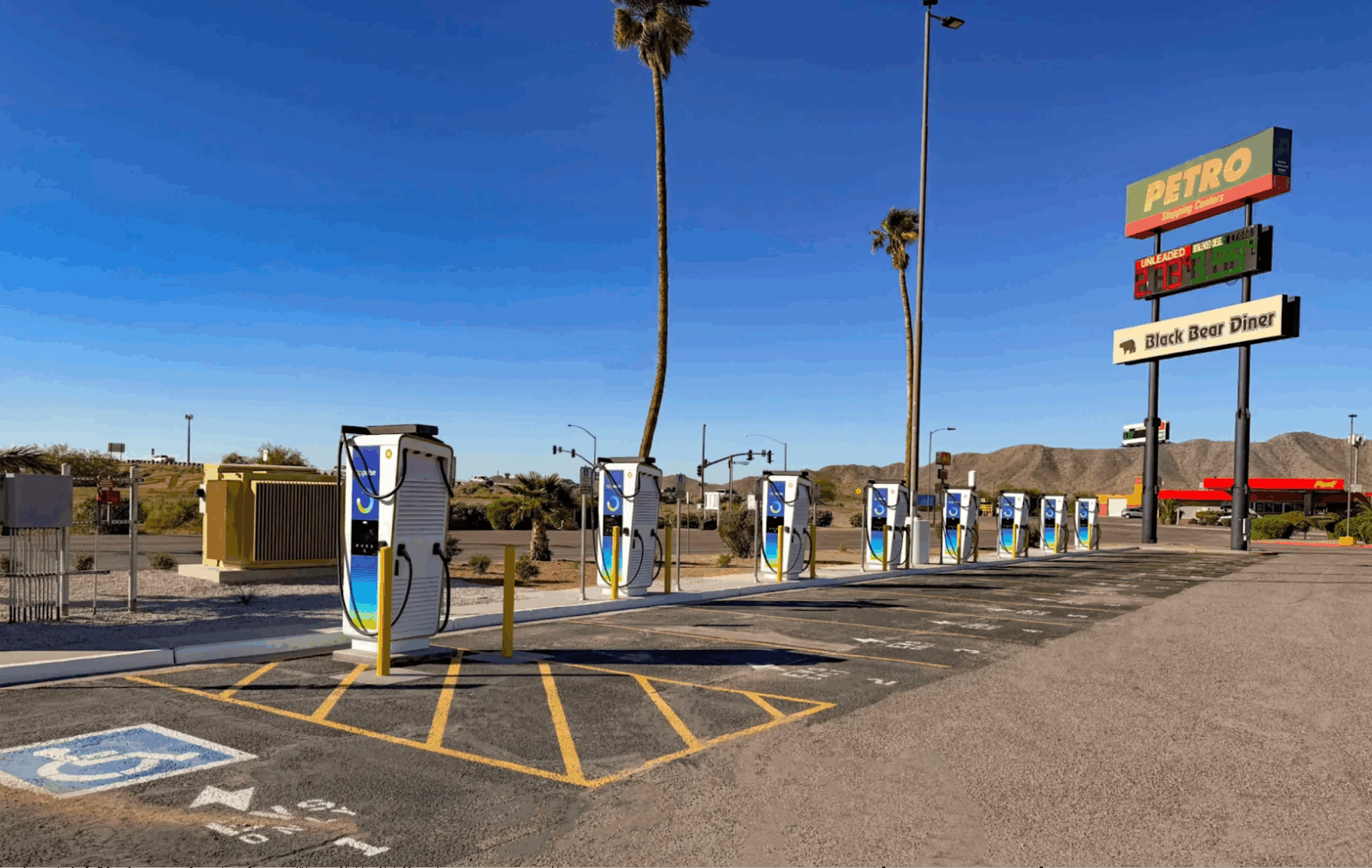
bp pulse has significantly expanded its U.S. ultrafast charging network with new flagship hubs in Arizona, Texas, Florida, and Ohio, including the company’s first-ever location in Arizona. These new facilities, all strategically co-located with Petro and TravelCenters of America (TA) properties, offer impressive charging speeds up to 400 kW and contribute approximately 50 new charging bays to the national network.
Why This Matters
High-power, multi-bay charging hubs at highway travel centers are becoming essential infrastructure for both long-distance passenger travel and the emerging electric truck sector. By seamlessly integrating chargers into established Petro and TA locations, bp pulse can build upon existing amenities and proven traffic patterns, improving utilization rates while providing drivers with the familiar, comprehensive service experience they’ve come to expect from travel centers.
Key Insights
Arizona Launch: A substantial 16-bay installation at the Petro Travel Center in Eloy (conveniently located off I-10) features chargers delivering up to 400 kW with both CCS and NACS connectors, plus comprehensive on-site amenities including a diner, ATM, barber shop, convenience store, and clean restrooms.
Florida Hub: A 16-bay facility on Miami Road in Fort Lauderdale, positioned approximately three miles from Fort Lauderdale-Hollywood International Airport, specifically designed to serve ride-hail drivers, rental car returns, and airport travelers, offering both 150 kW and 400 kW charging options.
Texas Installation: A robust 12-bay, 400 kW site at a Petro Travel Center in El Paso off I-10, providing access to a convenience store, on-site dining, and specialized services that cater to long-haul drivers making extended journeys.
Ohio Addition: A 6-bay, 400 kW installation at a TA Travel Center in Hebron off I-70, strategically positioned to serve both passenger vehicles and regional freight traffic, with quick dining options and well-maintained restroom facilities.
Our Perspective
bp pulse’s December expansion reveals a clear and compelling strategic pattern: creating dense clusters of high-power chargers at established highway travel centers, rather than distributing single charging units across legacy fuel station forecourts. For investors and strategic partners, this approach offers significant advantages—it concentrates demand, streamlines operations, and positions these locations as critical refueling nodes for both today’s light-duty electric vehicles and tomorrow’s medium- and heavy-duty electric truck fleets. This infrastructure investment isn’t just meeting current needs; it’s building the foundation for the next phase of transportation electrification across commercial and passenger vehicle segments.