
Sparkcharge, Zipcar, and MassCEC launch off‑grid fast charging hub in east boston
Executive Summary
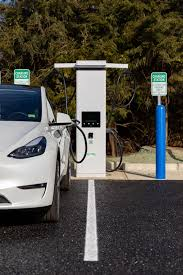
SparkCharge, the Massachusetts Clean Energy Center (MassCEC), and Zipcar have launched the Northeast’s first off-grid, mobile DC fast charging hub dedicated to shared electric vehicles in East Boston. Located at Zipcar’s local maintenance facility, this containerized system delivers rapid on-site charging for a rotating EV fleet—all without requiring conventional grid connections.
Why This Matters
Urban Environmental Justice communities often grapple with both poor air quality and inadequate access to quality EV infrastructure. This project offers a compelling solution: by integrating mobile fast charging with shared mobility services, it provides a replicable framework for bringing clean transportation to underserved neighborhoods while reducing the risks associated with fleet electrification in grid-constrained cities.
Key Insights
Grid-Independent Innovation: The hub operates entirely off-grid and remains mobile, allowing for swift deployment and relocation as fleet requirements change—bypassing the often lengthy utility interconnection processes.
Strategic Funding: The project receives support through MassCEC’s InnovateMass program and is specifically designed to serve Zipcar EVs used by both car-share members and rideshare drivers across Greater Boston.
Environmental Justice Focus: East Boston, officially designated as an Environmental Justice community, gains improved access to clean mobility options and experiences reduced local emissions as more transportation shifts to electric vehicles.
Blueprint for Replication: Project partners view this initiative as a template for future fleet and shared-mobility charging hubs, with strong potential for adaptation in other constrained or underserved markets.
Our Perspective
The East Boston deployment demonstrates how fleet-focused, off-grid fast charging can accelerate EV adoption in areas where permanent infrastructure development lags behind demand. As more cities embrace equity-centered climate strategies, similar public-private partnerships could become an essential complement to traditional corridor and depot charging investments. For investors, this approach offers exposure to flexible, high-utilization fleet assets in densely populated urban markets—assets that can adapt and scale with evolving community needs.