
ORLEN’s Strategic Push: Fast-Charging Network Reshapes EV Infrastructure in Eastern Europe
ExecSum
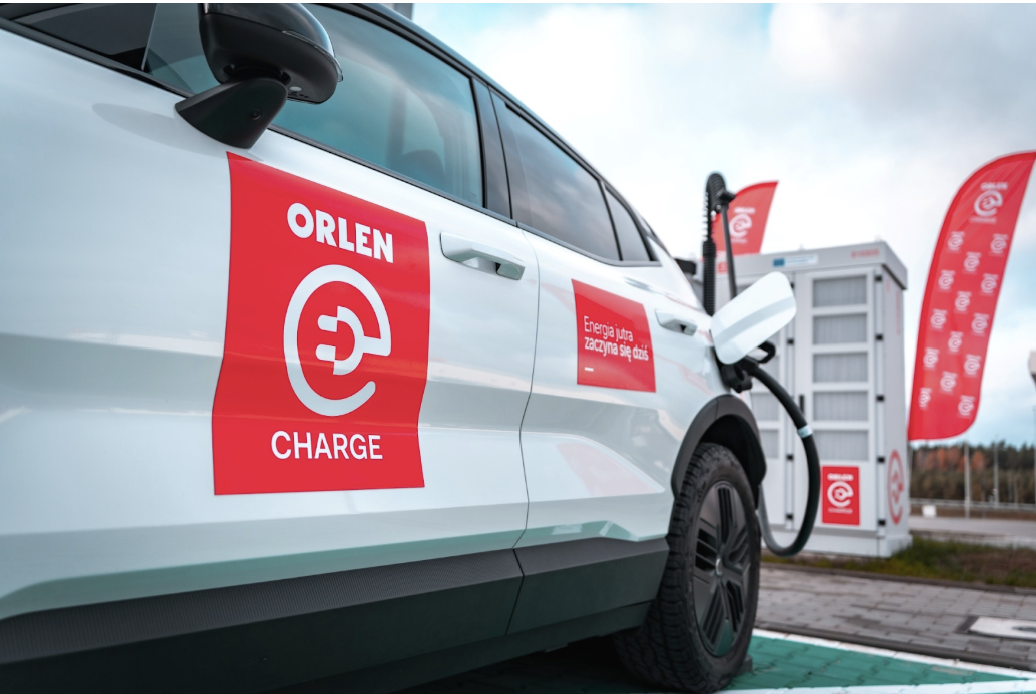
ORLEN has commissioned its first high-power EV charging hub and is deploying 12+ additional facilities by year-end as part of a broader European expansion strategy. This move highlights the critical role legacy energy companies are playing in closing the EV charging infrastructure gap across Eastern Europe, backed by EU co-financing.
Why this matters
Charging speed remains a structural barrier to EV adoption in peripheral European markets. By deploying 400 kW chargers that deliver full charges in 20 minutes, ORLEN is creating infrastructure parity with traditional fuel refueling, removing a key psychological and practical friction point for mainstream adoption. The rollout also reflects the consolidation of EV charging within legacy energy and mobility networks—a pattern critical for achieving scale economies and ensuring financial sustainability.
Key insights
- A dynamic power-sharing system balances load across vehicles, keeping charge times under 30 minutes—even during peak use. It’s a smart fix for grid constraints that plague fast-charging networks in regions with older electrical infrastructure.
- ORLEN is focusing on major motorways prioritizing long-distance travel over urban density to ease range anxiety for new buyers.
- The EU-backed Perun E-Mobility project (via CEF Transport AFIF) shows how public-private funding can accelerate infrastructure in markets where private capital alone can’t close the gap.
Our Take
ORLEN’s expansion is a potential inflection point for Europe’s EV charging market. By prioritizing charging speed over station count, the company is competing where it matters most, which is driver experience. Its plan to build 50+ hubs within two years positions ORLEN as a regional leader filling the gap left by Western-focused operators. Scale and profitability in EV charging now depend on regional consolidation and integration with existing energy and mobility networks.